Hawaiʻi Volcanoes National Park

How to See the Kīlauea Lava Glow at Night

Last updated: October 26, 2026 · Eruption status from the USGS Hawaiian Volcano Observatory

Current Eruption Status

Paused after episode 55 — check conditions before you go

Kīlauea's Halemaʻumaʻu summit eruption is paused after episode 55 ended October 17. USGS observed moderate-to-strong overnight glow from the west vent and weak glow from the north vent in its October 26 update. USGS forecast a possible episode 56 fountaining window of October 31–November 6, but emphasized that the forecast is uncertain and can change.

Answer First

What you may see after dark

Kīlauea's summit activity comes in short episodes, sometimes only a few hours long, with pauses of days or weeks between them. During a pause, fountains may not be active, but a faint glow from previously erupted lava can sometimes be visible after dark. For current viewing information, start with the official USGS update and webcams.

Designated Overlooks

Where to look for the glow

For current viewing information, begin with the designated overlooks at Uēkahuna and Kīlauea Overlook via Crater Rim Drive West. The National Park Service says these locations usually have more parking during eruptions, but lots can fill quickly and weather can prevent viewing.

Do not route through the Keanakākoʻi side of the caldera: its viewing areas were closed for safety. Respect all closures and check park alerts before leaving.

Check NPS eruption-viewing guidance
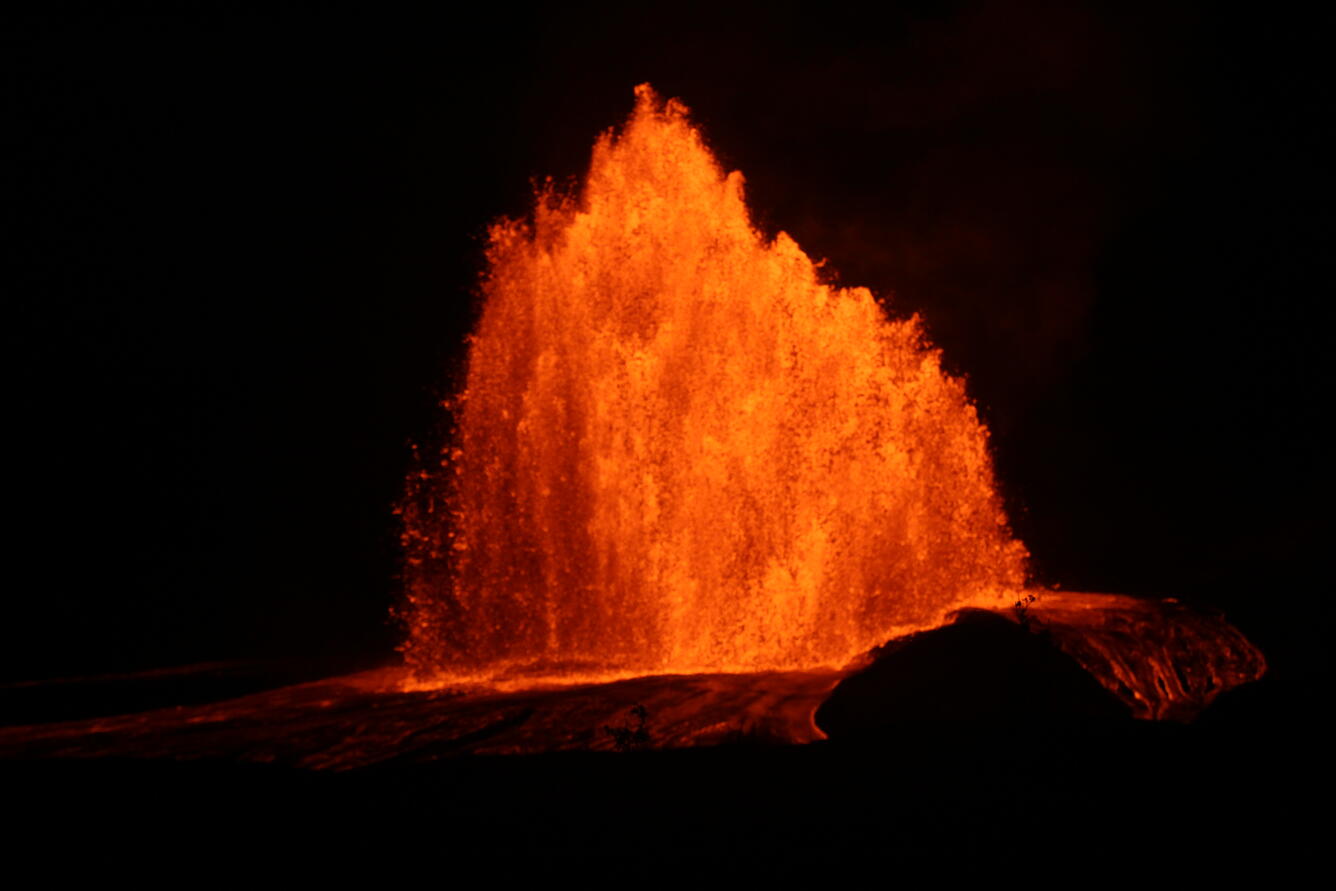
Kīlauea lava fountain during episode 55, photographed by the U.S. Geological Survey on October 17, 2026
USGS photograph: Kīlauea summit episode 55, October 17, 2026. Conditions change; this is not a prediction of current activity.

Plan Before You Drive

Park access, live checks & safety

Park hours, entry & parking

Hawaiʻi Volcanoes National Park is open 24/7, including holidays. A private-vehicle pass is $30 and covers the passholder plus up to 14 passengers in one private non-commercial vehicle. The park is cashless. Conditions, facilities, roads and parking can change.
Park hours · fees and passes

Check live conditions

Use the USGS daily update and official webcams shortly before leaving. Weather, rain, volcanic gas, darkness and camera outages can all limit what is visible. Arrive with a backup plan if your first overlook is full.

USGS daily update · USGS webcams

Safety rules

Stay on open trails and designated overlooks. Never enter closed areas or approach crater edges, cracks, vents or lava. Check air quality; volcanic gas can be hazardous. Bring a headlamp, sturdy shoes, warm layers and rain gear. Do not handle ash or Pele's hair, and watch for nēnē on roads and in parking areas. Drones are prohibited unless approved in writing by the superintendent.

Read NPS safety guidance

Stay Close, Plan Calmly

Why staying five minutes from the park matters

Eruptions can begin on short notice and episodes may last only hours. NPS warns of increased traffic and reduced parking during eruptions. Stay Volcano, five minutes from the park, makes it easier to check conditions, decide whether to go, and return to a warm private space afterward.

If I happen to see an eruption start, I'll text you, but I can't guarantee it, so check the USGS webcams.

After a cool night at the rim, come back to a private hot tub, Harvia electric rock sauna, ice bath or wood-burning fireplace.

Book direct and save 15% vs Airbnb
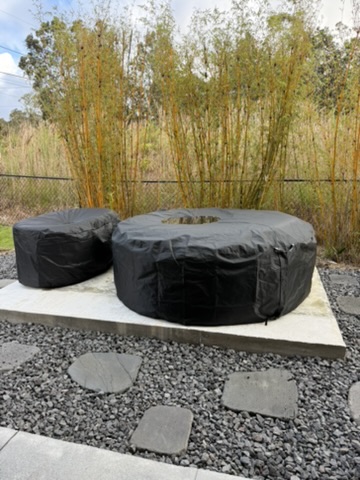
Private hot tub on the lanai at Stay Volcano after a night of lava viewingHarvia electric rock sauna at Stay Volcano

Guest Experiences

Guests Who Saw the Lava

Great stay!! Actually incredible because this house is beautiful, comfortable, and we got to see lava coming out of the Volcano so will never forget it. We were so close to the park that were able to get to it quickly while others too far had to wait in traffic for hours to hours. Mahalo Jennifer! Love the Calacatta quartz! Definitely felt luxurious in there.

— Roz, Charlotte, North Carolina, July 2025

Absolutely loved this place! It was a great experience for the second half of our honeymoon. Amenities were amazing and the host even let us know about the volcano erupting! We were keeping watch off and on because we knew it could happen, and she text us right away. Definitely recommend this gem! Once in a lifetime and host was incredible.

— Kristin, October 2025

Plan with Current Information

Kīlauea Lava Glow FAQ

Can you see the Kīlauea lava glow at night right now?

It depends on the day. As of the October 26, 2026 USGS update, the summit eruption was paused after episode 55. USGS observed overnight glow from vents within Halemaʻumaʻu, while NPS notes that during a pause a faint glow from previously erupted lava may still be visible. Check the USGS daily update and webcams on the day you go.

When is the next lava fountain expected?

In its October 26, 2026 update, USGS forecast a possible episode 56 fountaining window of October 31–November 6, while noting that the forecast is uncertain. Forecasts can change, so check the daily update before visiting.

Where is the best place to see the lava glow?

Start with the designated overlooks at Uēkahuna and Kīlauea Overlook on Crater Rim Drive West. NPS says they usually have more parking during eruptions, but lots can fill and views can change with weather and activity. Do not enter closed areas; check park alerts before you go.

Is Hawaiʻi Volcanoes National Park open at night?

Yes. The park is open 24 hours a day, seven days a week, including holidays. Facilities, roads and overlooks can have different hours or temporary closures, so check current park alerts before leaving.

How much does it cost to enter the park?

The NPS lists a $30 private-vehicle pass, which admits the passholder and up to 14 passengers in one private non-commercial vehicle. The entrance station is credit/debit only and the park does not accept cash. Check the NPS fees page for current prices and fee-free days.

What should I bring for night viewing?

Bring a headlamp, sturdy closed-toe shoes, warm layers and a rain jacket. Check air quality before and during your visit. NPS advises limiting exposure to ash and Pele's hair, which can irritate eyes, skin and airways; use protective clothing, eye protection and a face mask if you cannot limit exposure.

How do I check activity before driving to the park?

Check the USGS daily update and the official USGS webcams shortly before leaving. Weather, volcanic gas, darkness and camera outages can limit what you see, so use current conditions rather than a forecast alone.

Why stay five minutes from the park?

Eruptions can begin on short notice and episodes may last only hours. NPS warns of increased traffic and reduced parking during eruptions. Staying in Volcano, about five minutes by car from the park entrance, makes it easier to check current conditions and return to a warm private house afterward.

Plan Your Stay

A private base for park days and quiet nights

Explore Stay Volcano, five minutes from the park, or plan a honeymoon cabin near Volcanoes National Park. Check dates through the secure direct-booking form.

Book direct and save 15% vs Airbnb